Source Protective Shell Cases for Electronics, Medical, and Industrial Use
Compare 30 verified protective shell options including waterproof, shockproof, and sterile variants for electronics, medical devices, and industrial equipment. Buyers can evaluate materials, certifications, and customization features to find the right solution; compare the available evidence and request quotations based on your requirements.
Key considerations
Products List


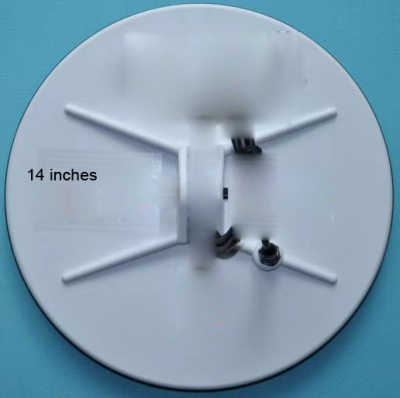

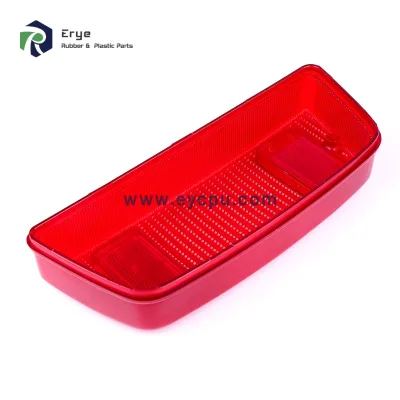


$1.00 - $10.00
Moq: 500


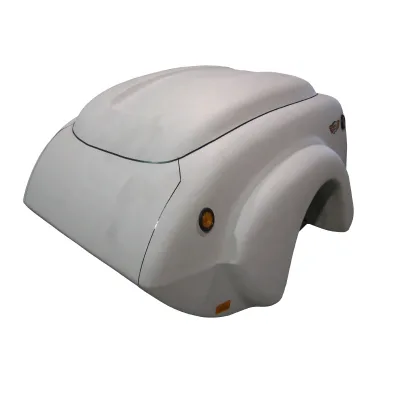
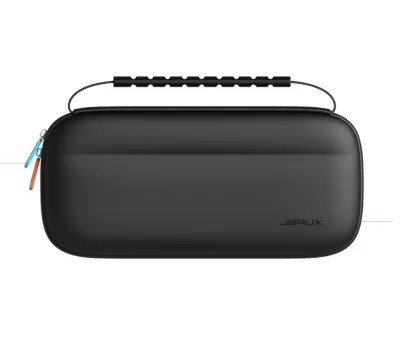


Comprehensive Sourcing Guide
Protective Shell Sourcing Guide
Sourcing protective shells requires a disciplined approach to balancing physical durability with environmental resilience. Buyers must first define the operational context, whether the shell serves as a rugged enclosure for sensitive electronics or a containment vessel for medical and industrial components. The observed market data indicates a wide variance in product specifications, ranging from simple plastic cases to complex, multi-layered assemblies. Understanding the primary function—be it shock absorption, waterproofing, or aesthetic branding—is the foundational step in selecting the correct supplier and material composition.
Procurement teams should also evaluate the customization landscape, as many suppliers offer OEM and ODM services to tailor shells to specific brand identities. This includes options for logo printing, color customization, and internal foam structuring. However, customization introduces complexity into the supply chain, requiring clear communication of design files and tolerance levels. Buyers must ensure that their design requirements align with the manufacturer’s capabilities to avoid costly rework or delays, particularly when dealing with intricate features like custom lids or specialized sealing mechanisms.
Product Scope and Observed Listing Signals
The current market for protective shells encompasses a diverse array of products, including drainage containers, electronic cases, and general-purpose protective equipment. Listings reveal significant variation in material composition, with options ranging from pure plastic constructions to blended fabrics containing polyester and cotton. This diversity suggests that buyers must carefully distinguish between rigid enclosures for hardware and softer, textile-based protective covers. The presence of items labeled as "drainage containers" alongside "hand-held cases" highlights the need for precise keyword filtering to isolate the specific type of shell required for the intended application.
Observed listing signals also point to a strong emphasis on environmental and functional attributes. Many products advertise features such as waterproofing, shockproofing, and anti-static properties, which are critical for industries handling sensitive equipment or operating in harsh conditions. Additionally, the availability of sterile packaging and ethylene oxide sterilization for certain items indicates a niche market serving medical or hygiene-sensitive sectors. Buyers should scrutinize these claims against their specific operational needs, ensuring that the listed features, such as IP67 ratings or specific foam types, are genuinely applicable to their use case rather than generic marketing fluff.
Technical Specifications to Verify
Technical verification begins with dimensional accuracy and structural integrity. Buyers must confirm critical measurements, such as overall dimensions and lid-to-body clearances, to ensure compatibility with existing equipment or storage systems. For instance, specific models may have precise internal dimensions like 595287245mm or lid heights of 35.5mm, which are vital for tight-fitting applications. Verifying these specifications prevents integration errors and ensures that the protective shell provides adequate coverage without compromising accessibility or functionality. Weight is another crucial factor, with products ranging from lightweight fabric-based items to heavier plastic enclosures weighing over two kilograms.
Material composition and construction techniques also demand rigorous scrutiny. While some shells are made from durable plastics designed for impact resistance, others utilize needle-punched fabrics or flocked surfaces for softer protection. Buyers should verify the specific grade of materials, such as domestic versus imported grades, and understand the implications for longevity and performance. Additionally, features like anti-pull and anti-bacterial properties may be relevant for specific environments. Confirming these technical details through sample testing or detailed datasheets ensures that the selected shell meets the mechanical and chemical demands of its intended deployment.
Compliance and Safety Documentation
Compliance documentation is essential for mitigating legal and operational risks, particularly when sourcing from international markets. Buyers should request evidence of adherence to recognized quality management systems, such as ISO9001, which indicates a manufacturer’s commitment to consistent production standards. Additionally, environmental and safety certifications like RoHS and Reach are critical for products intended for markets with strict regulatory requirements regarding hazardous substances. These documents provide assurance that the materials used in the protective shells do not pose health risks or environmental hazards during their lifecycle.
For specialized applications, such as medical or food-contact scenarios, additional certifications may be necessary. The presence of ethylene oxide sterilization claims suggests that some products meet stringent hygiene standards, but buyers must verify the validity of these claims through third-party testing reports. Furthermore, waterproof ratings like IP67 require independent validation to ensure that the seals and gaskets perform as advertised under real-world conditions. Ensuring that all compliance documentation is up-to-date and verifiable protects the buyer from potential liabilities and ensures that the products can be legally sold and used in their target markets.
Cost Drivers and Commercial Terms
Cost structures for protective shells are influenced by material choices, customization levels, and order volumes. Basic plastic cases with standard dimensions may offer lower unit costs, while custom-designed shells with specific foam inserts or branded logos will incur higher premiums. Buyers should analyze the total cost of ownership, including shipping and handling, as packaging methods like PVC shrink film or carton palletization can impact logistics expenses. Understanding the MOQ (Minimum Order Quantity) requirements is also crucial, as suppliers may offer significant price breaks for larger orders, typically ranging from small batches to thousands of units.
Commercial terms such as warranty periods and delivery timelines play a significant role in the procurement decision. Some suppliers offer extended warranties, such as ten years, which can reduce long-term replacement costs and provide greater confidence in product durability. However, these terms may come with stricter quality control requirements or higher upfront prices. Buyers should negotiate clear delivery schedules, especially for customized orders, to avoid production delays. Additionally, understanding the payment terms and return policies for defective goods is essential for maintaining a healthy supply chain relationship and minimizing financial risk.
Supplier Qualification and Quality Control
Supplier qualification involves assessing the manufacturer’s production capabilities and quality assurance processes. Buyers should verify the supplier’s origin and facility standards, as products originating from established manufacturing hubs like Shanghai often benefit from mature supply chains and skilled labor. It is also important to evaluate the supplier’s ability to handle customization requests, including logo printing and structural modifications. A supplier with robust OEM and ODM services can provide greater flexibility, but this requires a thorough review of their design and engineering support capabilities.
Quality control measures must be clearly defined and enforced throughout the production process. Buyers should request samples to inspect physical attributes such as stitching, sealing, and material finish. For products claiming specific features like waterproofing or shockproofing, independent testing reports should be reviewed to validate performance claims. Additionally, establishing a clear protocol for incoming quality inspection upon receipt of goods is essential. This includes checking for packaging integrity, verifying product counts, and ensuring that all specified features match the purchase order. Regular audits and performance reviews help maintain high standards and identify potential issues early in the partnership.
Long-Term Procurement Checks
Long-term procurement success depends on continuous monitoring of supplier performance and market trends. Buyers should establish key performance indicators (KPIs) to track metrics such as on-time delivery rates, defect rates, and responsiveness to issues. Regular communication with suppliers helps build a collaborative relationship and ensures that any changes in production processes or material availability are communicated promptly. Additionally, staying informed about industry developments, such as new materials or regulatory changes, allows buyers to proactively adjust their sourcing strategies and maintain competitive advantage.
Sustainability and ethical sourcing practices are increasingly important considerations for long-term procurement. Buyers should evaluate suppliers’ commitments to environmental responsibility, such as the use of eco-friendly materials or energy-efficient production methods. This not only aligns with corporate social responsibility goals but also mitigates risks associated with future environmental regulations. Furthermore, diversifying the supplier base can reduce dependency on single sources and enhance supply chain resilience. By regularly reviewing and updating supplier qualifications, buyers can ensure a stable, reliable, and compliant supply of protective shells that meets evolving business needs.
FAQs
What materials are used for the protective shell?
The protective shell is constructed from plastic materials. Some variants feature a composition of 85% polyester and 15% cotton. These materials ensure durability while maintaining flexibility for various industrial applications and home textile uses.
Can the product be customized with a logo?
Yes, the product supports customized logo printing services. Buyers can request specific branding on the protective shell. This customization is available alongside OEM and ODM services to meet unique business requirements and brand identity standards.
What certifications does the protective shell hold?
The product holds ISO9001, RoHS, Reach, and IP67 certifications. These standards verify quality management and environmental compliance. The IP67 rating specifically confirms the shell is waterproof and dustproof for reliable performance in harsh conditions.
How long is the warranty period for this item?
The warranty period is typically two years for standard units. Some specific models offer an extended warranty of up to ten years. This guarantee ensures long-term reliability and protects the buyer against manufacturing defects during the coverage period.
What is the origin location of the protective shell?
The product originates from China, with specific manufacturing hubs in Shanghai. This location allows for efficient logistics and competitive pricing. Buyers can expect consistent supply chain management from these established industrial regions in the country.
Is the protective shell waterproof and shockproof?
Yes, the shell is designed to be waterproof and shockproof. It meets IP67 standards for water resistance and includes features like Eav foam or cube foam for impact absorption. These attributes make it suitable for protecting sensitive equipment.
What packaging options are available for the product?
Packaging options include PVC shrink film, PE polybags in rolls, or standard cartons on pallets. Specific models may use customized packaging solutions. These methods ensure the product remains sterile and protected during international shipping and storage.